 Yoga Sets
 Jackets
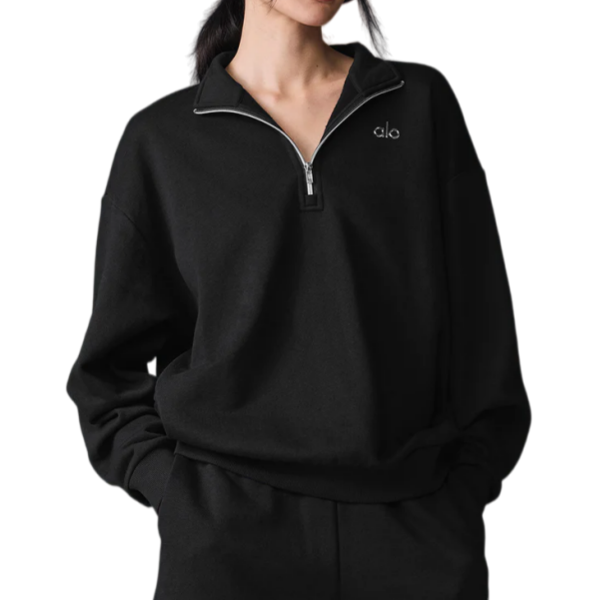 Hoodies & Sweatshirts
 Leggings
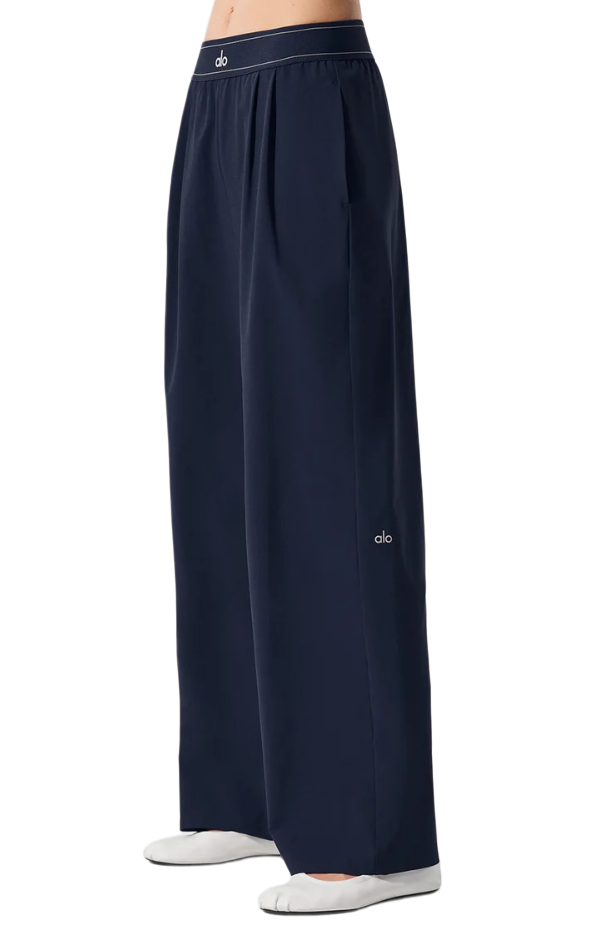 Pants
Pants All clothes
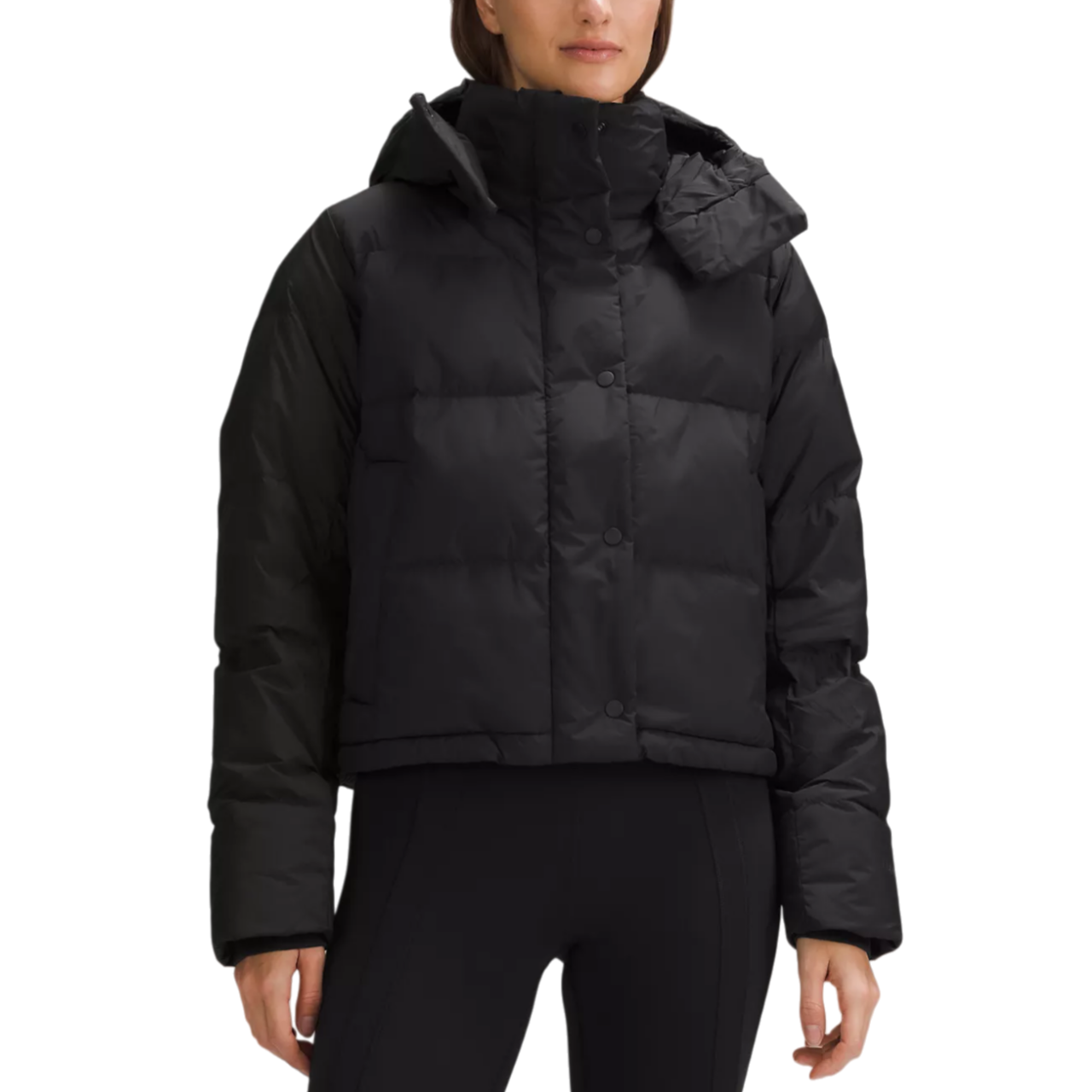 Puffer Jacket
 Shoes
Shoes Bags
Bags Accessories
 Alo
Alo Lululemon
What is the brand and size of the bra you’re wearing?
Beyond the
Second Skin

The Myth of Heavyweight GSM
Users often mistake "thick" for "quality." In reality, the 2026 market is moving toward Low-Profile Interlock. We tested the latest Nulu-gen fabrics against 500-lux studio lighting; the secret isn't more yarn, but the Circular Knit Density.
If you're seeing skin through the weave during a downward dog, your fabric hasn't failed—its Modulus of Elasticity has reached its limit. We recommend staying within the 18% Elastane threshold for peak opacity.

Wicking vs. Evaporation
The most common feedback in 2026? "I don't want to look wet for 20 minutes after my class." Traditional Capillary Wicking is no longer enough. High-end D2C labels like Alo are now utilizing Bi-Component Yarns.
This creates a permanent moisture pressure gradient—literally pushing sweat to the outer layer for rapid-fire evaporation. Warning: Avoid silicon-based softeners; they coat these microscopic channels, turning your $120 leggings into a plastic bag.
Q: Why is my high-compression gear causing skin irritation?
A: Look for Bonded Seams. Traditional flat-lock stitching creates friction points during repetitive motion. If you're doing HIIT, seamless is not just a style—it's a mechanical necessity to prevent chafing.
Q: How do I preserve the "Buttery Soft" finish?
A: Avoid the dryer at all costs. Heat is the enemy of Polyurethane (Spandex). High heat causes "Spandex Snap," leading to the tiny white fibers you see poking out of the seams after 6 months.